How your Ecommerce Strategy Can Scale Your Online Business
Ecommerce has become one of the most powerful growth channels for businesses across industries. However, building an online store is only the first step.
Sustainable growth requires strategic planning, efficient operations, and a strong focus on customer experience.
As competition continues to increase, businesses must optimize every stage of the customer journey, from acquisition to fulfillment, to remain competitive.
But what does it take to successfully scale an ecommerce business? This guide explores the key strategies, tools, and operational considerations that can help your online store achieve long-term growth.
What Is an Ecommerce Business?
A business ecommerce model refers to buying and selling products or services through digital channels. Unlike traditional retail, ecommerce allows businesses to reach customers regardless of geographic location, offering convenience, accessibility, and scalability.
Modern ecommerce businesses rely on technology to manage inventory, process payments, market products, and deliver personalized shopping experiences.
Whether serving individual consumers or other businesses, ecommerce creates opportunities to expand market reach and increase revenue while adapting to evolving customer expectations.
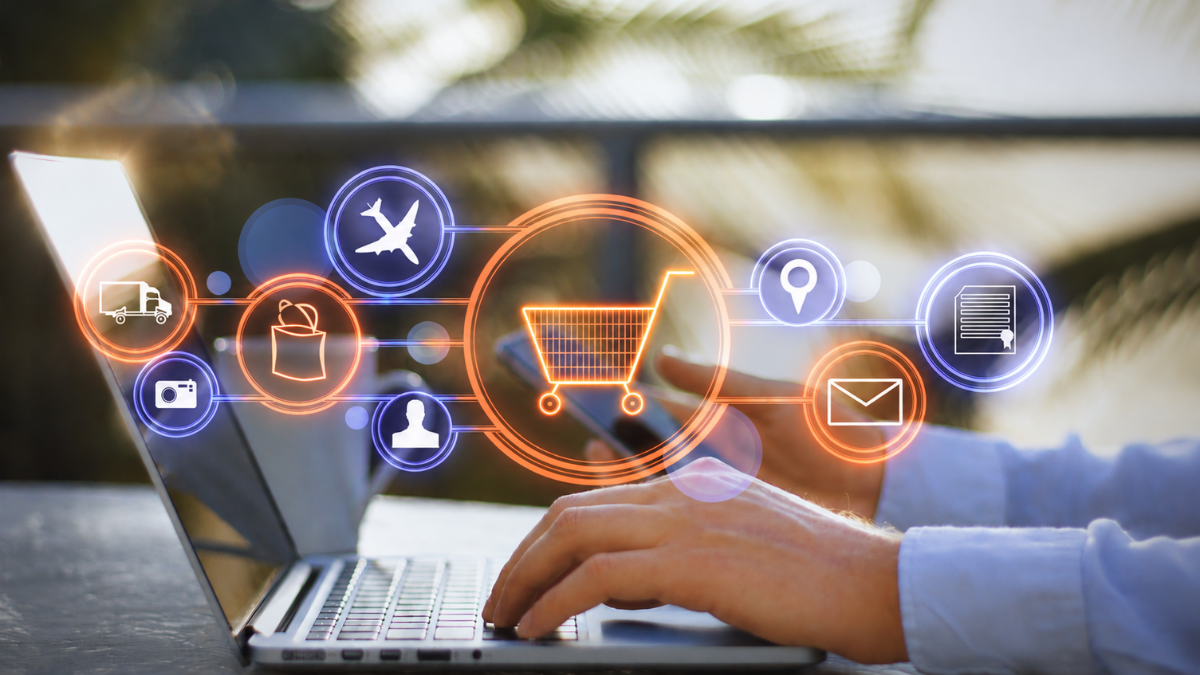
A successful e-commerce strategy connects every stage of the customer journey into one seamless experience.
B2B vs B2C in Ecommerce
Ecommerce businesses generally operate under two primary models: B2B (Business-to-Business) and B2C (Business-to-Consumer).
B2C ecommerce focuses on selling directly to individual consumers. Purchasing decisions are often influenced by convenience, pricing, brand perception, and customer experience.
B2B ecommerce, on the other hand, involves transactions between businesses. These sales cycles are typically longer and may include custom pricing, bulk orders, and relationship-driven purchasing processes.
Understanding the differences between these models helps businesses develop strategies tailored to their target audiences and sales objectives.
Ecommerce Business Models
There is no single approach to ecommerce success. Companies can choose different models depending on their products, customers, and growth goals.
Some of the most common ecommerce models include:
B2C (Business-to-Consumer): Selling products directly to end consumers.
B2B (Business-to-Business): Providing products or services to other organizations.
D2C (Direct-to-Consumer): Manufacturers selling directly to customers without intermediaries.
Marketplace: Selling through platforms that connect multiple buyers and sellers.
Subscription-based Ecommerce: Offering products through recurring payment models.
Selecting the right model is essential for building a sustainable growth strategy aligned with business objectives.
Strategies to Grow Your Ecommerce Business

Efficient operations and order management are essential for sustainable e-commerce growth.
Scaling an ecommerce business requires more than increasing website traffic. Growth depends on delivering exceptional customer experiences while continuously optimizing operations and marketing efforts.
Some effective growth strategies include:
Personalizing the customer journey through data-driven insights.
Implementing marketing automation to improve engagement.
Optimizing product pages to increase conversions.
Developing customer retention and loyalty initiatives.
Using analytics to identify growth opportunities and improve performance.
Businesses that prioritize customer experience while leveraging technology are better positioned to achieve sustainable growth.
How to Improve Conversion Rates
Driving traffic to an online store is important, but converting visitors into customers is what drives revenue.
Several tactics can help improve conversion rates:
Simplify the checkout process to reduce friction.
Optimize website speed and performance.
Incorporate customer reviews and social proof.
Ensure a seamless mobile shopping experience.
Use remarketing campaigns to re-engage potential customers.
Small improvements throughout the customer journey can have a significant impact on overall business performance.
Essential Tools for Your Ecommerce Business
Technology plays a critical role in supporting ecommerce growth. The right platforms and solutions help businesses streamline operations, improve customer experiences, and scale efficiently.

A simple, secure checkout experience helps turn online visitors into customers.
Shopify: A leading ecommerce platform for businesses of all sizes.
WooCommerce: A flexible ecommerce solution built for WordPress websites.
Google Analytics 4: Provides insights into customer behavior and website performance.
Klaviyo: Supports personalized email and SMS marketing campaigns.
HubSpot: Helps manage customer relationships and marketing automation.
Hotjar: Offers user behavior insights through heatmaps and session recordings.
Choosing the right service ecommerce solutions depends on the organization's goals, technical requirements, and operational complexity.
Many businesses also benefit from partnering with an agency ecommerce specialist to optimize platform performance, customer acquisition strategies, and operational processes.
Logistics and Fulfillment for Ecommerce
Logistics is one of the most important components of a successful ecommerce operation. Fast, reliable fulfillment directly influences customer satisfaction and brand perception.
As businesses grow, efficient logistics become increasingly important for maintaining profitability and delivering consistent experiences.
Key areas to focus on include:
Effective inventory management.
Competitive shipping and delivery options.
Clear return and exchange policies.
Scalable fulfillment operations.
Automation of logistics and order processing.
Strong fulfillment capabilities help businesses meet customer expectations while supporting long-term growth.
Ecommerce as a Driver of Business Growth
Ecommerce continues to reshape how businesses connect with customers and generate revenue. However, sustainable growth requires more than launching an online store.
Companies that combine strategic planning, customer-centric experiences, operational efficiency, and data-driven decision-making are better positioned to scale successfully.
A well-executed business ecommerce strategy can strengthen customer relationships, improve profitability, and create new opportunities for expansion.
At Loymark, we help businesses design and implement ecommerce strategies that align technology, customer experience, and business objectives to drive measurable results and support sustainable growth.